
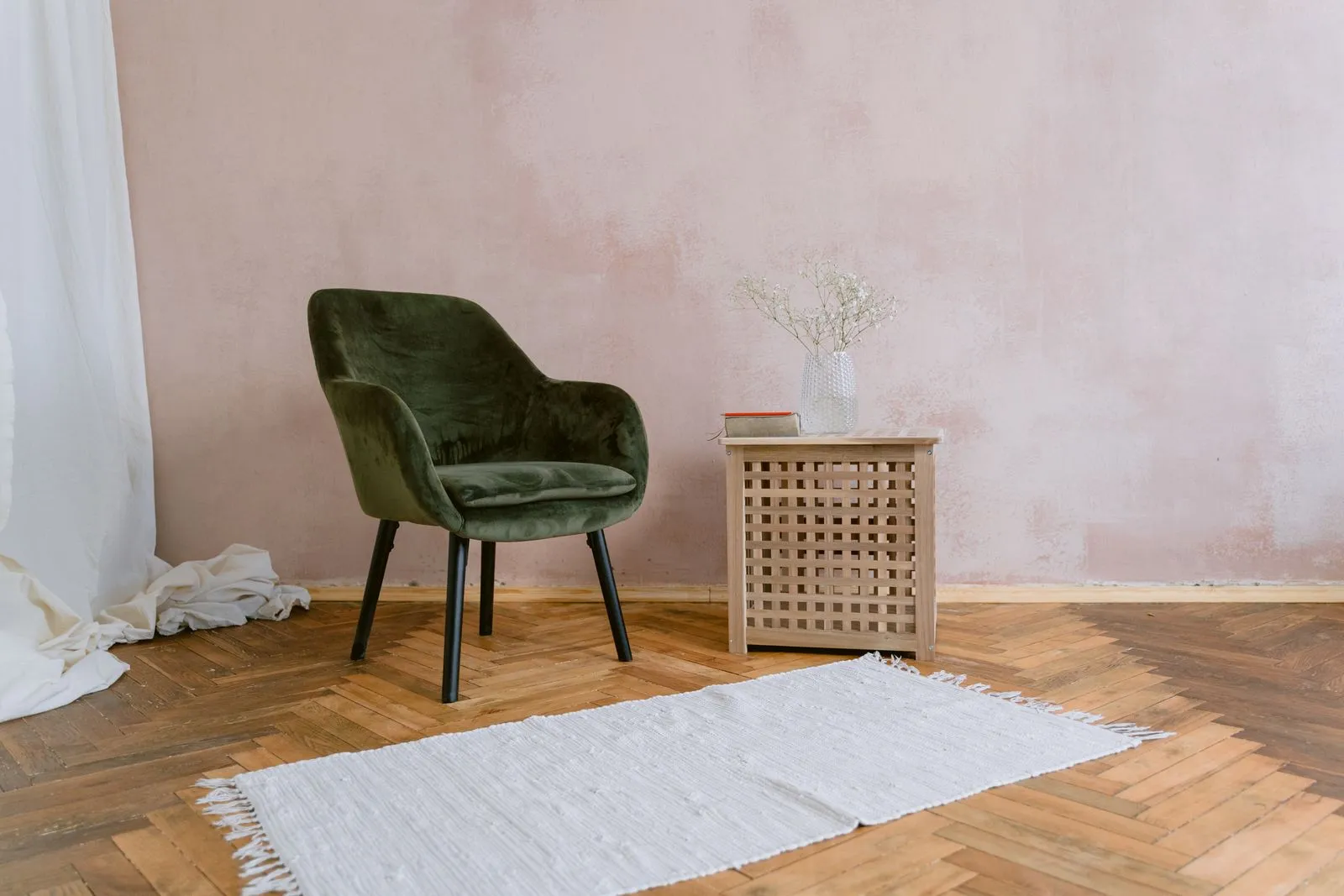
A minimalist living room should feel calm without feeling bare. The difference comes from planning around how you use the space, then choosing a few well-sized pieces that earn their place. Start with the room’s layout and daily needs before shopping for accessories. A restrained palette and thoughtful lighting can make simple furnishings feel inviting while keeping the room practical for conversation, reading, and relaxing.
Plan the Furniture Layout
Measure the room, including doorways, windows, and walking routes, before selecting furniture. Mark out a clear path between entrances and the main seating area. Arrange seating to support conversation, with chairs and sofas close enough to feel connected but not crowded. If the room serves several purposes, define each one with furniture placement rather than adding dividers or extra storage pieces.
Choose fewer furnishings with useful proportions. A sofa should fit the wall and leave enough room to move around it; a coffee table should be reachable from the seats without blocking circulation. Consider a side table for a lamp or a storage ottoman that can serve more than one purpose. Keep open floor space where possible, and avoid filling corners simply because they are empty.
Use a Restrained Palette
Build the palette from a small group of related colors. Begin with a main neutral for larger surfaces, such as walls or upholstery, then add one or two supporting shades through rugs, pillows, or artwork. Warm whites, soft grays, and natural wood tones can work together, but check samples in the room’s actual light before committing. The goal is coordination, not an exact match.
Bring in contrast through texture and a few deliberate accents. A woven rug, matte ceramic, or visible wood grain adds depth without introducing more colors. Repeat an accent shade in two or three places so it feels intentional. Keep patterns limited and choose ones that suit the scale of the room; a single patterned cushion or artwork can provide interest without competing with the rest of the space.
Layer the Lighting
Plan for more than one light source. An overhead fixture can provide general light, while a floor lamp beside a reading chair and a table lamp near the sofa support specific activities. Place lights where you need them instead of relying on one bright fixture to serve the whole room. If you have dimmers, use them to adjust the atmosphere and brightness for different times of day.
Check how natural light changes across the room before choosing lamp placement and shades. Keep window areas clear enough for daylight, and avoid positioning a screen where glare will interfere with viewing. Choose bulbs with a comfortable light quality, then test them in the fixtures you plan to use. Matching the warmth of visible bulbs helps the room feel cohesive, especially when several lamps are on together.
Finish with Useful Details
Add only accessories that contribute function, texture, or personal meaning. A tray can organize remotes, a closed basket can hold blankets, and a plant can bring a natural shape into the room. Leave some surfaces clear so everyday items have a place to land. Group a few objects together rather than scattering small decorations across shelves and tables.
Step back and evaluate the room from its main entry and seating area. Look for blocked pathways, unused furniture, and visual clutter that you can remove or relocate. Live with the arrangement before buying more pieces; you may find that a lamp, rug adjustment, or storage solution addresses the remaining need. Form & Field offers decor options for considered, functional spaces.
A well-planned minimalist living room balances clear surfaces with the comfort and storage you need every day. Set the layout first, keep the palette controlled, and use layered lighting to make the room work from morning through evening. Make changes gradually, and choose each addition for a clear purpose. If you are refining your space, explore pieces that fit your plan.